Blogs
on November 20, 2025


Content
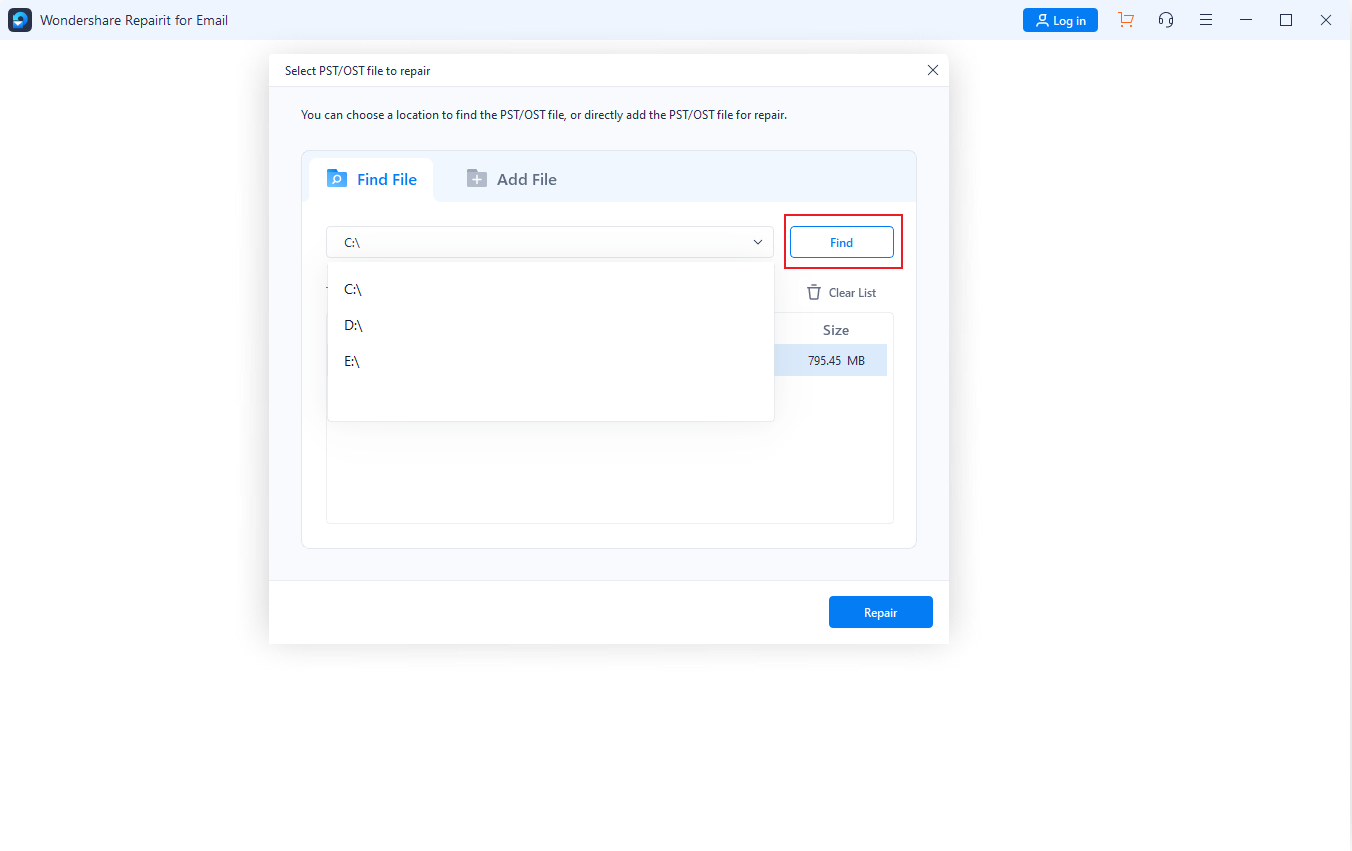 After hitting Enter, you might not see any visible feedback. This lack of response simply means that the command was successful. Occasionally, users may flush their reset cached Exchange mode DNS cache only to realize that issues persist, such as slow-loading sites or connection errors.
By issuing them periodically or whenever connectivity issues arise, you ensure that your connection remains robust and error-free.This means that even if the website has changed its IP address, your computer might still be trying to connect using incorrect data.This can help optimize Outlook’s performance and fix the synchronization issues.Regular maintenance improves performance and helps ensure a seamless browsing experience.Think of it like trying to change lanes in traffic; sometimes you need to pause while backing out before you’re able to merge smoothly into a new flow.A few simple commands in Terminal can refresh this data and regain your network connection.
Solutions to Fix the Sync Issues in Outlook
A large OST file can lead to performance issues and result in Outlook not syncing with the Exchange Server, disrupting your workflow. To resolve this, you can reduce the Outlook data file (OST) size. This can help optimize Outlook’s performance and fix the synchronization issues.
How to Resolve Sync Issues in Outlook – A Detailed Guide
After hitting Enter, you might not see any visible feedback. This lack of response simply means that the command was successful. Occasionally, users may flush their reset cached Exchange mode DNS cache only to realize that issues persist, such as slow-loading sites or connection errors.
By issuing them periodically or whenever connectivity issues arise, you ensure that your connection remains robust and error-free.This means that even if the website has changed its IP address, your computer might still be trying to connect using incorrect data.This can help optimize Outlook’s performance and fix the synchronization issues.Regular maintenance improves performance and helps ensure a seamless browsing experience.Think of it like trying to change lanes in traffic; sometimes you need to pause while backing out before you’re able to merge smoothly into a new flow.A few simple commands in Terminal can refresh this data and regain your network connection.
Solutions to Fix the Sync Issues in Outlook
A large OST file can lead to performance issues and result in Outlook not syncing with the Exchange Server, disrupting your workflow. To resolve this, you can reduce the Outlook data file (OST) size. This can help optimize Outlook’s performance and fix the synchronization issues.
How to Resolve Sync Issues in Outlook – A Detailed Guide
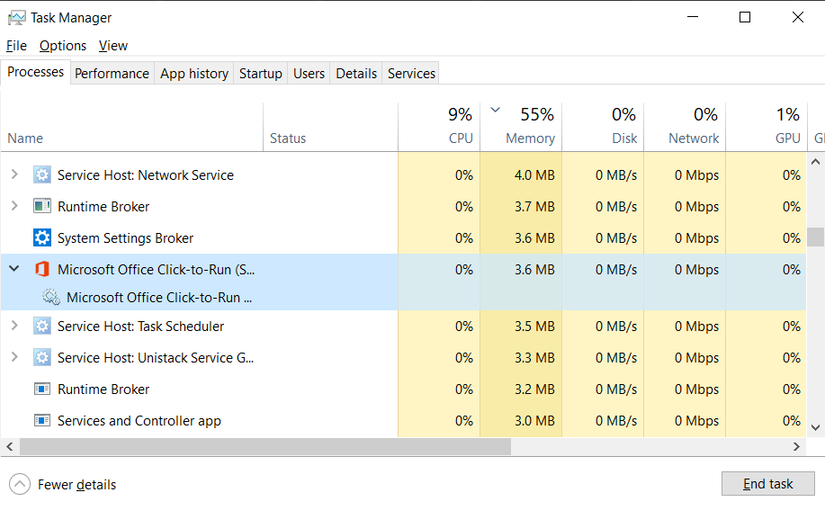 This professional OST to PST converter tool can extract data from the backup OST file and convert it into PST file, which you can easily import into Outlook. You can easily search for the missing items, select them, and save them in PST and other file formats, such as MSG, EML, RTF, HTML and PDF. This tool is designed to extract mailbox items from orphaned or inaccessible OST files.
Method 12: Disable Security Applications
This professional OST to PST converter tool can extract data from the backup OST file and convert it into PST file, which you can easily import into Outlook. You can easily search for the missing items, select them, and save them in PST and other file formats, such as MSG, EML, RTF, HTML and PDF. This tool is designed to extract mailbox items from orphaned or inaccessible OST files.
Method 12: Disable Security Applications
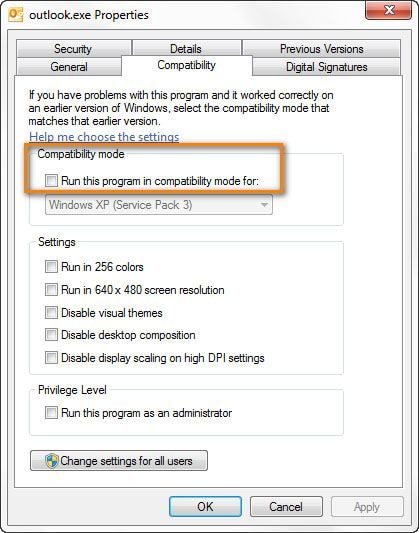 To resolve this, you can add Outlook and its related processes as exception in your security software or consider switching to a security application that is compatible with Outlook. You can experience sync issues in Outlook due to poor or no network connectivity. So, first check if your internet connection is stable and working properly. If the connection is slow or inconsistent, you can restart the router or contact your internet provider/IT admin for help. Should problems continue after flushing your cache, examining additional factors like connectivity settings or even external influences such as your internet service provider might be worthwhile. Regular maintenance improves performance and helps ensure a seamless browsing experience.
Flushing DNS Cache: A Step-By-Step Guide to Troubleshoot Your Connection
A common problem users face is that certain websites might continue to be inaccessible or slow to load. This isn’t unusual—specific hiccups can arise when the system is still resolving domain name associations post-flush. Addressing these problems effectively often boils down to a few strategic troubleshooting steps. When it comes to troubleshooting your internet connection, understanding how a Repair Outlook Profile Online simple act like flushing your DNS cache can remedy multiple problems is key. Our devices thrive on accurate information and speed when connecting to the vast landscape of the internet.
Flushing the DNS cache on your MacBook Pro running macOS Ventura is an essential troubleshooting step that can help resolve connectivity issues often caused by outdated or corrupted entries. Additionally, if your system feels sluggish, it’s a good idea to delete applications that are no longer needed to free up space and improve overall performance. Over time, as you browse and download various files, your system may store incorrect DNS information rebuild Outlook data file quickly that leads to frustrating loading errors or inability to connect to certain websites. A few simple commands in Terminal can refresh this data and regain your network connection.
To resolve this, you can add Outlook and its related processes as exception in your security software or consider switching to a security application that is compatible with Outlook. You can experience sync issues in Outlook due to poor or no network connectivity. So, first check if your internet connection is stable and working properly. If the connection is slow or inconsistent, you can restart the router or contact your internet provider/IT admin for help. Should problems continue after flushing your cache, examining additional factors like connectivity settings or even external influences such as your internet service provider might be worthwhile. Regular maintenance improves performance and helps ensure a seamless browsing experience.
Flushing DNS Cache: A Step-By-Step Guide to Troubleshoot Your Connection
A common problem users face is that certain websites might continue to be inaccessible or slow to load. This isn’t unusual—specific hiccups can arise when the system is still resolving domain name associations post-flush. Addressing these problems effectively often boils down to a few strategic troubleshooting steps. When it comes to troubleshooting your internet connection, understanding how a Repair Outlook Profile Online simple act like flushing your DNS cache can remedy multiple problems is key. Our devices thrive on accurate information and speed when connecting to the vast landscape of the internet.
Flushing the DNS cache on your MacBook Pro running macOS Ventura is an essential troubleshooting step that can help resolve connectivity issues often caused by outdated or corrupted entries. Additionally, if your system feels sluggish, it’s a good idea to delete applications that are no longer needed to free up space and improve overall performance. Over time, as you browse and download various files, your system may store incorrect DNS information rebuild Outlook data file quickly that leads to frustrating loading errors or inability to connect to certain websites. A few simple commands in Terminal can refresh this data and regain your network connection.
After hitting Enter, you might not see any visible feedback. This lack of response simply means that the command was successful. Occasionally, users may flush their reset cached Exchange mode DNS cache only to realize that issues persist, such as slow-loading sites or connection errors.
By issuing them periodically or whenever connectivity issues arise, you ensure that your connection remains robust and error-free.This means that even if the website has changed its IP address, your computer might still be trying to connect using incorrect data.This can help optimize Outlook’s performance and fix the synchronization issues.Regular maintenance improves performance and helps ensure a seamless browsing experience.Think of it like trying to change lanes in traffic; sometimes you need to pause while backing out before you’re able to merge smoothly into a new flow.A few simple commands in Terminal can refresh this data and regain your network connection.
Solutions to Fix the Sync Issues in Outlook
A large OST file can lead to performance issues and result in Outlook not syncing with the Exchange Server, disrupting your workflow. To resolve this, you can reduce the Outlook data file (OST) size. This can help optimize Outlook’s performance and fix the synchronization issues.
How to Resolve Sync Issues in Outlook – A Detailed Guide
This professional OST to PST converter tool can extract data from the backup OST file and convert it into PST file, which you can easily import into Outlook. You can easily search for the missing items, select them, and save them in PST and other file formats, such as MSG, EML, RTF, HTML and PDF. This tool is designed to extract mailbox items from orphaned or inaccessible OST files.
Method 12: Disable Security Applications
To resolve this, you can add Outlook and its related processes as exception in your security software or consider switching to a security application that is compatible with Outlook. You can experience sync issues in Outlook due to poor or no network connectivity. So, first check if your internet connection is stable and working properly. If the connection is slow or inconsistent, you can restart the router or contact your internet provider/IT admin for help. Should problems continue after flushing your cache, examining additional factors like connectivity settings or even external influences such as your internet service provider might be worthwhile. Regular maintenance improves performance and helps ensure a seamless browsing experience.
Flushing DNS Cache: A Step-By-Step Guide to Troubleshoot Your Connection
A common problem users face is that certain websites might continue to be inaccessible or slow to load. This isn’t unusual—specific hiccups can arise when the system is still resolving domain name associations post-flush. Addressing these problems effectively often boils down to a few strategic troubleshooting steps. When it comes to troubleshooting your internet connection, understanding how a Repair Outlook Profile Online simple act like flushing your DNS cache can remedy multiple problems is key. Our devices thrive on accurate information and speed when connecting to the vast landscape of the internet.
Flushing the DNS cache on your MacBook Pro running macOS Ventura is an essential troubleshooting step that can help resolve connectivity issues often caused by outdated or corrupted entries. Additionally, if your system feels sluggish, it’s a good idea to delete applications that are no longer needed to free up space and improve overall performance. Over time, as you browse and download various files, your system may store incorrect DNS information rebuild Outlook data file quickly that leads to frustrating loading errors or inability to connect to certain websites. A few simple commands in Terminal can refresh this data and regain your network connection.